Balance? In This Economy?
You know that mythical thing called “balance” everyone talks about? The one where you’re meant to eat kale without crying, drink water like it’s wine, and meal prep without turning your fridge into a vegetable graveyard? Yeah, that one.
At Plan4One, we get it—you’re probably juggling work, sleep (ish), a social life (or Netflix), and the occasional bout of What-The-Heck-Do-I-Eat-Tonight. This guide is for you, the solo legend who wants to eat well without spending your Sunday elbow-deep in chia seeds or becoming a part-time nutritionist.
Let’s cut through the nutritional noise with a no-nonsense, slightly cheeky, totally do-able guide to eating well. No weird powders. No shame. Just good, balanced food that doesn’t make you want to cry into your Tupperware.
What Even Is a Balanced Diet?
Put simply, a balanced diet is like a well-curated playlist. You don’t want all sad ballads or just party bangers—you need variety. Same goes for your plate. It should have:
- Carbs (hello energy!)
- Proteins (muscle fuel and hunger tamers)
- Fats (yes, you can eat the avo!)
- Vitamins & Minerals (the behind-the-scenes legends)
- Water (because your body is basically a fancy plant)
Eating a little bit of everything (except for 2-minute noodles every night, sorry) helps your body tick along nicely, from brain power to bowel power.
i.e. Incorporating a diverse range of foods ensures you receive a broad spectrum of nutrients. Different foods offer unique benefits, and variety helps prevent nutritional deficiencies.
The Big Three: Macros, Baby
Carbohydrates: The Misunderstood Middle Child
Carbs get a bad rap, but your brain actually lives for them. The trick? Choose carbs that do more than just spike your blood sugar and ghost you after an hour.
Better-for-you carb picks:
- Brown rice
- Sweet potato
- Rolled oats
- Wholegrain bread (the one with the bits!)
- Lentils and beans
Carbs are not the enemy. The enemy is 4pm hanger because you only had a protein shake for lunch.
Carbohydrates are the body’s primary energy source. Opt for complex carbohydrates like whole grains, legumes, and vegetables, which provide sustained energy and fiber. Limit simple sugars found in sweets and sugary drinks.
Protein: The Repair Crew
Protein keeps you full, focused, and less likely to inhale an entire packet of bikkies at 10pm. Plus, it helps maintain muscle—important whether you’re lifting dumbbells or just lifting the groceries from the car.
Protein hits for one:
- Eggs (pre-boil and be smug for the week)
- Tinned tuna or salmon
- Tofu or tempeh
- Lean chicken or turkey mince
- Greek yoghurt (plain, not the dessert disguised as breakfast)
Proteins are essential for tissue repair and muscle growth. Include a mix of animal (lean meats, dairy) and plant-based (beans, nuts, tofu) protein sources.
Fats: The Good Kind
Repeat after me: Fat does not make you fat. Not the healthy kinds, anyway. Good fats support brain function, hormone health, and yes—actually help you feel satisfied.
Healthy fat MVPs:
- Avocado (a cliché for a reason)
- Olive oil
- Nuts and seeds (a small handful, not a whole jar—looking at you, peanut butter)
- Fatty fish like sardines or salmon
Healthy fats support brain function and hormone production. Incorporate unsaturated fats from sources like avocados, nuts, and olive oil, while limiting saturated and trans fats.
The Unsung Heroes: Micronutrients & Hydration
Vitamins and Minerals: The Micromanagers
They’re not flashy, but without them, everything falls apart. Think immune support, energy production, strong bones, and mood balance.
Easy ways to get your micro fix:
- Eat the rainbow (no, not Skittles)
- Mix up your veg (frozen is totally fine)
- Swap white rice for brown, now and then
- Don’t skip the fruit—just maybe don’t juice it all
Micronutrients play roles in immune function, bone health, and more. Consume a variety of fruits and vegetables to meet these needs. For instance, leafy greens are rich in vitamin K and iron, while citrus fruits provide vitamin C.
Hydration Station
Being dehydrated is like running a phone on 5% battery all day. Get in the habit of sipping water. A full bottle on your desk is basically adulting 101.
Fun hydration tips:
- Add citrus, cucumber or mint if water is “too boring”
- Drink a glass before meals (you might not need that extra snack)
- Herbal tea counts!
Water is essential for digestion, temperature regulation, and nutrient transport. Aim for at least 8 glasses of water daily, adjusting for activity level and climate.
Fibre: For…Obvious Reasons
Look, we all know what fibre does. But aside from keeping things, erm, moving, it also helps you stay full and supports your gut microbes (aka the tiny flatmates living in your stomach).
Quick fibre fixes:
- Wholegrains
- Fruit & veg skins (stop peeling your apples!)
- Chia seeds (sprinkle on everything)
- Legumes (your wallet and colon will thank you)
Dietary fiber aids in digestion and helps maintain a healthy weight. Sources include whole grains, fruits, vegetables, and legumes. Fiber also supports heart health by lowering cholesterol levels.
Real-Life Balance: A Week in the Life
Here’s what a week of imperfect but balanced eating might look like for a solo cook who doesn’t want to spend hours cooking or washing up.
Monday
- Brekkie: Rolled oats with yoghurt and berries
- Lunch: Wholemeal wrap with egg, spinach and tomato
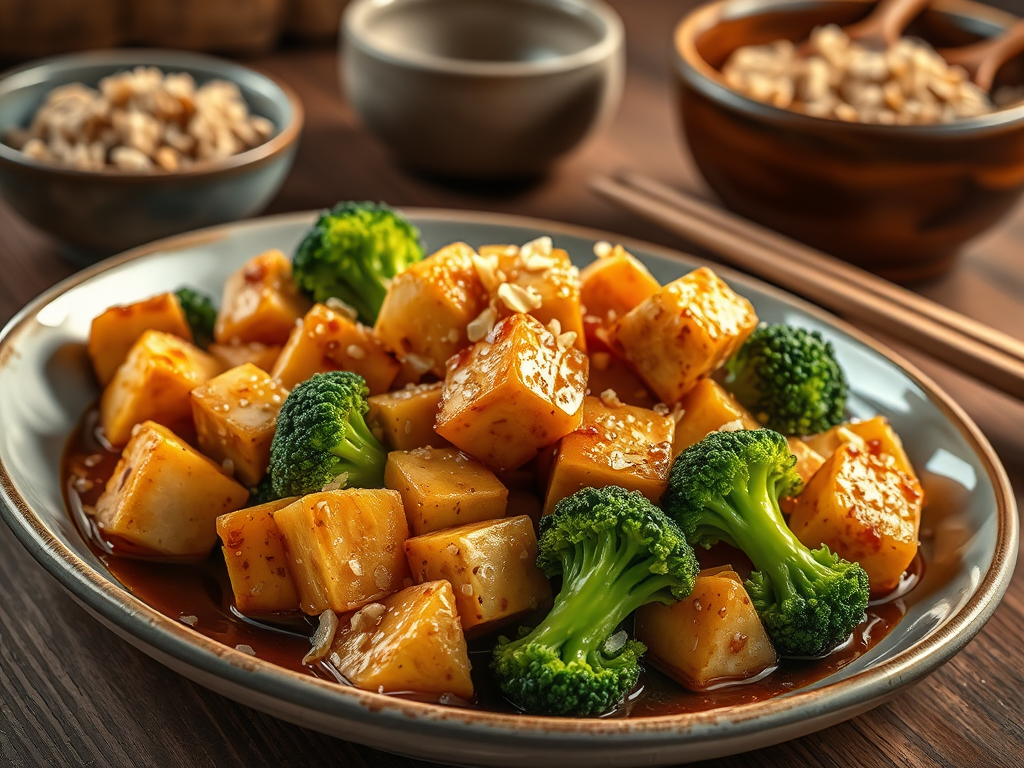
- Dinner: Stir-fry with tofu, frozen veg and brown rice
Tuesday
- Brekkie: Peanut butter on wholegrain toast + banana
- Lunch: Tuna salad with couscous and whatever greens are wilting in the fridge
- Dinner: Baked sweet potato with cottage cheese and steamed broccoli
Wednesday
- Brekkie: Smoothie with frozen banana, spinach, oats and almond milk
- Lunch: Leftover stir-fry (aren’t you clever?)
- Dinner: Omelette with mushrooms, cheese and baby spinach
… you get the gist.
Balance is not about eating kale every day—it’s about eating a wide variety of foods across the week, and enjoying your meals without turning into a food-tracking robot.
Common Myths We Need to Break Up With
Myth 1: Carbs = Evil
Nope. They’re just misunderstood. Wholegrains, potatoes, and legumes are great for you. Don’t dump your pasta. Just don’t eat only pasta.
Myth 2: Fat is bad
Wrong again. Your brain is mostly fat. Feed it well.
Myth 3: You need to eat perfectly every day
Absolutely not. Progress > perfection. Eat well most of the time. Enjoy pizza sometimes. You’re human, not a nutrition spreadsheet.
Easy Wins for Solo Eaters
- Frozen veg is a lifesaver: No chopping, no waste, no guilt.
- Pre-cooked grains: Microwaveable brown rice or quinoa = 90-second glory.
- Snack smart: Think apple + nut butter, boiled eggs, or a handful of trail mix.
- Portion hacks: Use your hand to eyeball portions—palm = protein, fist = carbs, thumb = fats.
Understanding appropriate portion sizes is crucial. Overeating, even healthy foods, can lead to weight gain and other health issues. Tools like the Eatwell Guide provide visual representations to help manage portions effectively.
Final Thoughts (Before You Go Make a Snack)
Eating a balanced diet doesn’t mean following rigid rules, counting almonds, or crying over lettuce. It means:
- Eating a bit from each food group most days
- Planning a little, improvising a lot
- Letting go of the “perfect diet” myth
- Giving yourself credit for trying
At Plan4One, we’re all about good enough. Because good enough gets you through the day. And tomorrow, you try again.
Got a go-to solo meal that helps you feel balanced (or just keeps you sane)? Share it in the comments or subscribe for more “balanced but realistic” content made for one.
Ready to eat like a grown-up without growing a second head? Share this post, save it for later, or tag us in your kitchen wins (and fails—we love those too).
Note: For personalised dietary advice, consult with a registered dietitian or nutritionist.