Why solo living can lead to malnutrition, unbalanced diets, and chronic illness—and how to fight back one delicious, healthy meal at a time
Introduction: The Rise of the Solo Household
Picture this: it’s 7pm on a chilly Tuesday, and you’re standing in front of the fridge, peering at a wilting bag of salad and half a block of cheddar. You’re not particularly hungry, but you haven’t eaten properly all day. Do you grab the toast, a few crackers, or just skip dinner altogether?
If this sounds familiar, you’re not alone—in more ways than one.
Living solo is on the rise across Australia. According to the Australian Bureau of Statistics, over 25% of Australian households are now single-person households, and that number is only expected to increase. But with this cultural shift comes a silent, largely invisible risk: diet-related health problems among singles.
Social Isolation and Diet: A Subtle but Serious Connection
We often think of food as fuel—but it’s also connection. Meals are central to how humans bond, socialise, and build routine. Take away the social side, and something important goes missing.
Research has repeatedly shown that social isolation directly affects diet quality. In a major scoping review published in 2023, researchers found that those who frequently eat alone consume fewer vegetables, less protein, and more ultra-processed foods. Why? Because when you’re cooking for one, motivation can be hard to muster.
Key Facts:
- Lonely eaters are more likely to skip meals, snack irregularly, or rely on fast food.
- Adults who eat most meals alone have a 45% higher risk of developing metabolic syndrome, according to a study in the Journal of Obesity.
- Social isolation has been linked to higher inflammation markers, depression, and poor sleep—all of which impact how and what we eat.
The Cooking Conundrum: Motivation, Monotony, and Meal Skipping
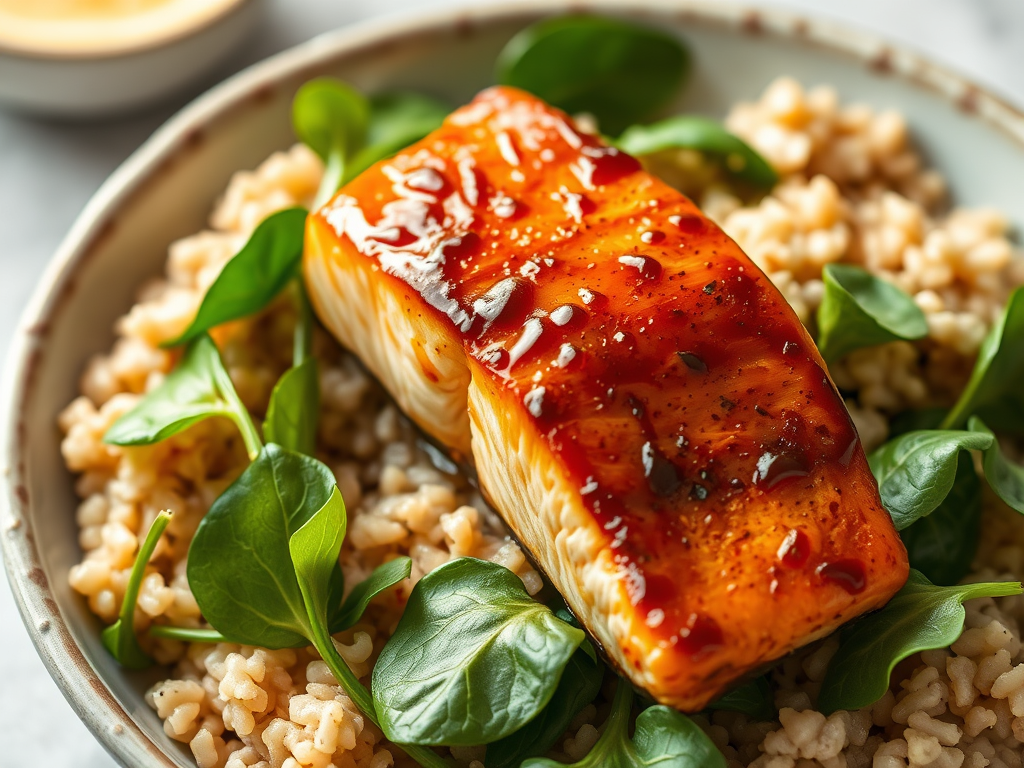
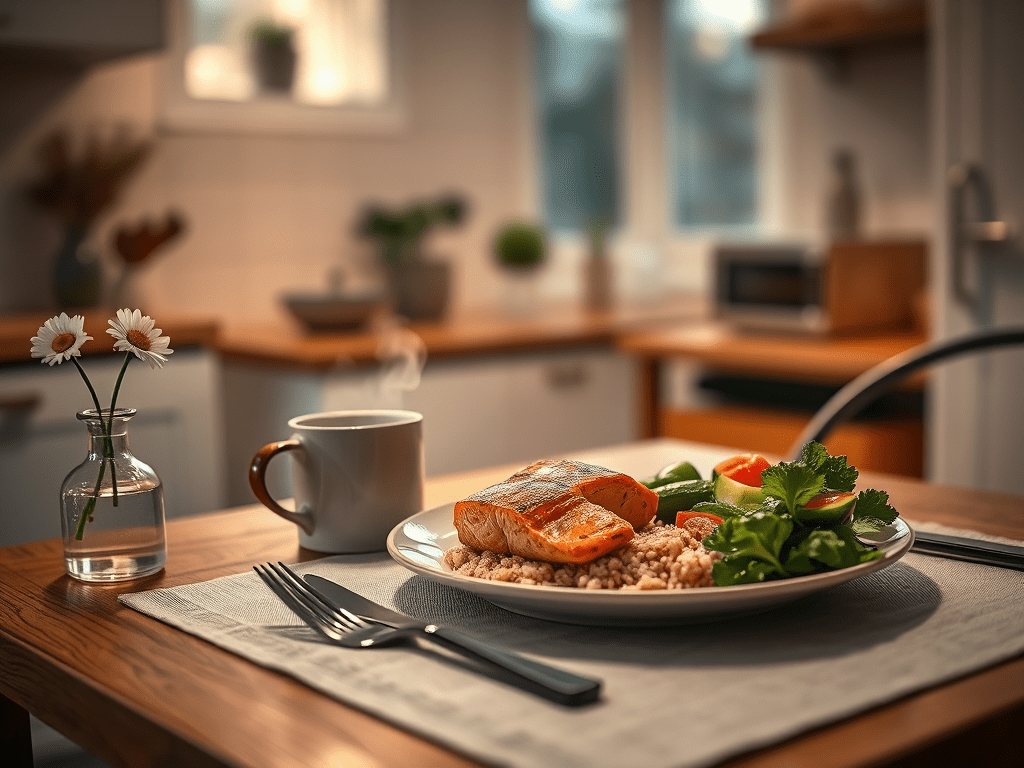
Let’s be honest: cooking for one can feel a bit thankless. There’s no one to compliment your pan-fried salmon. No eager eaters to scrape the plate clean. And while freedom can be fun, too much choice often leads to decision fatigue.
Common patterns among solo eaters:
- Mono-mealing (same meal over and over: think cheese toasties for a week straight).
- Batch cooking avoidance (“I’ll get bored of the same leftovers”).
- Under-eating or grazing all day, especially during emotional lows.
- Choosing fast food or Uber Eats instead of cooking a balanced meal.
It’s not about laziness—it’s about mental load, energy, and routine. When there’s no shared mealtime, it’s easier to push nutrition down the priority list.
When Convenience Becomes a Culprit
Frozen pizza. Noodles. Uber Eats. They’re all valid sometimes—but they don’t offer lasting nutritional value. For many singles, these foods become default fuel: quick, cheap, familiar.
Risks of the convenience cycle:
- Over-reliance on high-sodium, low-fibre, low-protein foods.
- Micronutrient deficiencies, particularly in iron, B12, magnesium, vitamin D, and omega-3.
- Poor blood sugar control, especially in meals high in refined carbs.
As choices narrow (due to fatigue, budget, time, or apathy), dietary variety plummets.
The Domino Effect: Health Impacts of a Poor Solo Diet
Malnutrition isn’t just something that happens in warzones or aged care—it’s quietly thriving among solo adults across Australia.
The health fallout:
- Malnutrition: Low intake of critical nutrients like protein, calcium, or folate.
- Chronic conditions: Type 2 diabetes, hypertension, cardiovascular disease.
- Mental health: Poor diet is linked with increased risk of anxiety and depression.
In many cases, these problems are invisible until they become serious. Solo men over 50 are especially at risk, but younger singles aren’t immune.
Gender, Age, and Socioeconomic Factors: Who’s Most Affected?
Men who live alone are less likely to cook, eat vegetables, or follow a meal routine. Young adults are often juggling casual work, tight budgets, and chaotic schedules. And older solo women may struggle with appetite loss, medication interference, or arthritis that makes cooking painful.
Low-income singles may also face:
- Limited transport to supermarkets
- Higher food costs per serve (no economies of scale)
- Time poverty, juggling multiple jobs or care roles
In short, single living + low support = nutritional risk.
Eating Alone Affects Mental Health—And Vice Versa
It’s a loop. You feel lonely, so you don’t eat well. You don’t eat well, so you feel low energy. Then you skip the walk or cancel that lunch. It’s a compounding cycle.
Nutritional psychiatry is an emerging field showing the powerful link between food and mood. Diets high in whole foods—vegetables, legumes, whole grains, oily fish—are linked to:
- Lower rates of depression and anxiety
- Better sleep and memory
- Improved stress regulation
Shared Meals = Shared Health Benefits
Humans have eaten communally for thousands of years. The act of sitting with others—even virtually—improves how much we eat, what we choose, and how we feel afterwards.
Even occasional shared meals can:
- Increase fruit and vegetable consumption
- Decrease emotional or binge eating
- Improve self-esteem and social connection
What Can Singles Do to Improve Their Diet?
Here’s the good news: healthy eating doesn’t need to be complex, expensive, or lonely. Plan4One was created exactly for this reason—to make solo eating simple, satisfying, and health-supportive.
10 Evidence-Based Tips for Eating Well Solo:
- Plan tiny: Weekly planning for one helps prevent food waste and reduces decision fatigue.
- Cook once, eat twice: Create 2-portion recipes and freeze the second serve.
- Use smaller cookware: Right-sized pans reduce over-portioning and make cleanup easier.
- Buy frozen veggies: Just as nutritious and easier to use in small batches.
- Try themed weeks: E.g. Mediterranean week, soup week, no-cook week.
- Invest in 3 easy staples: e.g. brown rice, eggs, and leafy greens.
- Eat at the table: No phone. No TV. Just your meal and a candle.
- Cook with a friend on Zoom: Virtual cooking sessions are fun and motivating.
- Join a local shared meal or community cooking group.
- Visit Plan4One.com for solo-friendly recipes and wellness tools.
The Plan4One Approach: Reframing Eating for One
We’re not just about recipes—we’re about building a lifestyle that supports solo health. Every recipe on Plan4One.com is:
- Nutritionally balanced
- Made with easy-to-find Australian supermarket ingredients
- Designed for no-fuss solo prep
- Quick to cook and low on dishes
Our blog supports everything from meal prep strategies to affordable pantry swaps, hydration tips, and winter wellness.
We know how real it gets when you’re on your own. We’re here to help you thrive.
Final Thoughts: Alone, But Not Left Behind
Living alone doesn’t mean eating alone. Not nutritionally, not emotionally, not spiritually. With a bit of planning and a few friendly ideas from Plan4One, your plate can become a source of power—not a problem.
Whether you’re newly solo, happily independent, or solo by circumstance, your health matters. So let’s make sure your meals do, too.
Explore the Plan4One blog for:
- Healthy solo meal plans
- Practical shopping lists
- Meal ideas for every mood
👉 Subscribe to our newsletter, share this article, or browse recipes now.