What Are Leg and Foot Cramps?
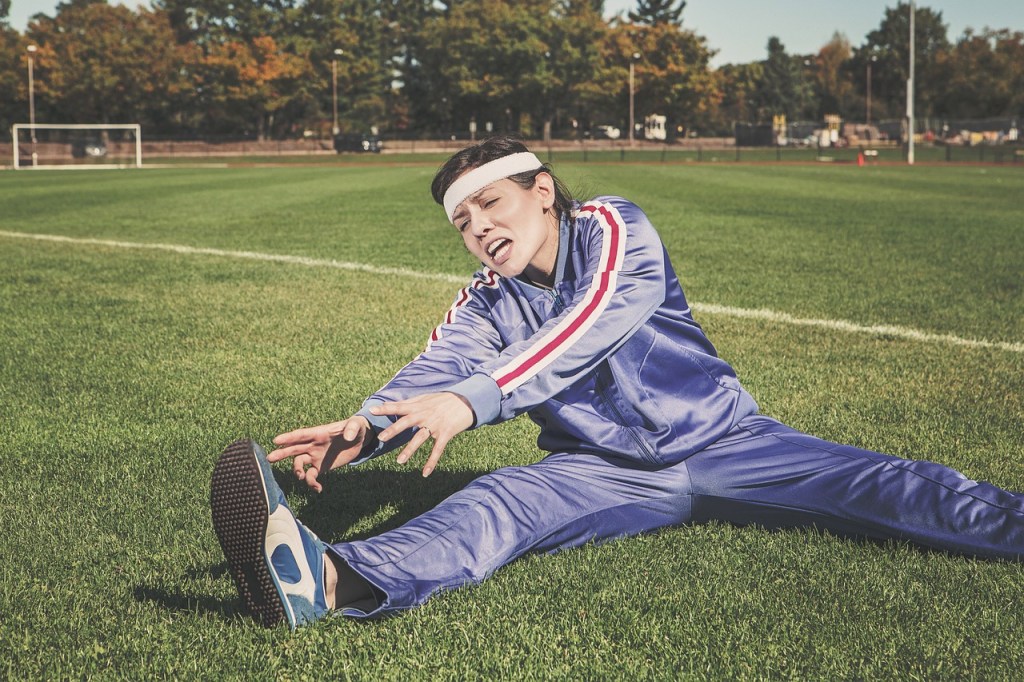
Leg and foot cramps are sudden, involuntary muscle contractions that can cause sharp pain, typically in the calves, feet, or thighs. They can strike at night (nocturnal leg cramps), during exercise, or after prolonged inactivity.
These cramps are generally harmless but can be frustratingly painful, especially if they recur often. They’re usually a sign that something’s a bit off – whether that’s hydration, mineral balance, or muscle care.
Let’s break down the most common causes – and how a few dietary tweaks and some easy solo-friendly meals can make a difference.

Image by Ryan McGuire from Pixabay
1. Mineral Deficiencies: The Cramp Trigger Trio
Magnesium, potassium, and calcium are essential for healthy muscle contractions. A lack of any of these can lead to misfiring nerves and twitchy muscles.
- Magnesium helps muscles relax after contraction. A deficiency is linked to increased cramping, especially at night.
- Potassium supports nerve transmission and muscle contraction. Low levels can trigger spasms.
- Calcium is involved in the muscle contraction-relaxation cycle. Insufficient calcium can cause hyperexcitability of nerves and muscles.
Common causes of mineral deficiency:
- Inadequate intake (common in restrictive diets)
- Excess sweating (during hot weather or exercise)
- Poor absorption (gut issues or aging)
- Use of diuretics or certain medications
🥣 Recipe Idea: Creamy Banana-Chia Yogurt Bowl
Why it helps: Bananas provide potassium, chia seeds bring magnesium, and Greek yogurt is rich in calcium.
Ingredients (Serves 1)
- 1 small banana, sliced
- ½ cup plain Greek yogurt
- 1 tsp chia seeds
- 1 tsp honey (optional)
- Sprinkle of cinnamon
2. Electrolyte Imbalance: When Signals Go Haywire
Electrolytes are minerals that carry an electric charge and help regulate nerve signals, muscle contractions, and hydration. These include:
- Sodium
- Potassium
- Chloride
- Magnesium
- Calcium
An imbalance—often due to dehydration, sweating, or poor diet—can make muscles overreact, resulting in cramps.
Electrolyte loss is common after:
- Intense workouts
- Vomiting or diarrhoea
- Drinking too much alcohol
- Excessive caffeine
💧 Recipe Idea: Hydration-Boosting Citrus Smoothie
Why it helps: Rehydrates while providing potassium and magnesium.
Ingredients (Serves 1)
- Juice of ½ orange
- ½ banana
- ½ cup coconut water
- ¼ cup plain Greek yogurt
- Ice cubes (optional)
3. Stretching and Exercise: Too Much or Too Little
Both overuse and inactivity can trigger cramps:
- Intense or prolonged exercise, especially without proper stretching, increases risk.
- Sitting for too long or sleeping in awkward positions can also cause muscles to tighten and cramp.
Prevention Tips:
- Gentle stretching before bed, especially for the calves.
- Move regularly throughout the day.
- Warm up and cool down properly when exercising.
🥬 Recipe Idea: Warm Spinach & Feta Scramble
Why it helps: Eggs offer magnesium, spinach provides potassium and magnesium, and feta adds calcium.
Ingredients (Serves 1)
- 2 eggs
- 1 cup baby spinach
- 1 tbsp crumbled feta
- Pinch of black pepper
- 1 tsp olive oil
Sauté spinach in oil, add whisked eggs, scramble gently, and top with feta.
4. Hydration: The Often Overlooked Hero
Dehydrated muscles are cranky muscles.
Even mild dehydration reduces blood flow and electrolyte balance, both of which make cramping more likely. This is especially common:
- In hot weather
- During or after workouts
- For those who drink little water or overconsume caffeine/alcohol
Hydration tips:
- Sip water consistently throughout the day.
- Add hydrating foods: watermelon, cucumber, oranges.
- Consider a low-sugar electrolyte drink if you’ve been sweating.
🍉 Recipe Idea: Watermelon Mint Refresher
Why it helps: High water content, potassium-rich, and refreshing.
Ingredients (Serves 1)
- 1 cup diced watermelon
- 4 fresh mint leaves
- Juice of ½ lime
- Splash of coconut water
Blend or mash together and serve over ice.
5. Medications That Contribute to Cramping
Certain medications can interfere with electrolyte balance, hydration, or mineral absorption:
- Diuretics (for blood pressure or heart issues): Can deplete potassium, magnesium, sodium.
- Statins (for cholesterol): May cause muscle pain or cramping.
- Laxatives or frequent antacid use: May lead to mineral loss.
👉 If you’re taking any of these and experiencing frequent cramps, it’s worth speaking with your GP or pharmacist about alternatives or solutions.
🥔 Recipe Idea: Baked Potato with Avocado Mash
Why it helps: Potatoes are a potassium powerhouse; avocado brings magnesium and healthy fats.
Ingredients (Serves 1)
- 1 medium potato
- ¼ ripe avocado
- Pinch of sea salt
- Squeeze of lemon juice
Bake potato until soft, mash avocado with salt and lemon, top and enjoy.
Bonus Lifestyle Tips to Prevent Cramping
✔ Footwear matters: Avoid flat, unsupportive shoes—especially if you walk a lot. Arch support can ease muscle strain.
✔ Stretch before bed: A minute of calf stretches or toe points before sleep can reduce nighttime cramps.
✔ Warm baths with Epsom salts: A relaxing way to absorb magnesium through the skin.
✔ Track triggers: Keep a cramp diary if they’re persistent—note time, food, activity, hydration, sleep.
No-Fuss Cramps-Fighting Recipe Round-Up (Single Serve)
| Recipe | Key Nutrients | When to Eat |
|---|---|---|
| Creamy Banana-Chia Yogurt Bowl | Potassium, calcium, magnesium | Breakfast or snack |
| Hydration-Boosting Citrus Smoothie | Electrolytes, fluids | Post-exercise |
| Warm Spinach & Feta Scramble | Magnesium, calcium | Light lunch or dinner |
| Watermelon Mint Refresher | Fluids, potassium | Afternoon sip |
| Baked Potato with Avocado Mash | Potassium, magnesium | Light meal or side |
Final Thoughts
Muscle cramps can be a sign your body is waving a white flag—asking for more water, better minerals, or a little movement.
With a few simple solo-friendly recipes, better hydration, and a bit of stretching, you can calm your muscles and cut down the cramps. These aren’t just tasty – they’re your new muscle-care toolkit.
If leg or foot cramps are ruining your sleep, your walks, or your workout recovery, give your muscles the TLC they’re craving. Start with these simple recipes and hydration habits. Explore the Plan4One recipe hub for more solo meals that support your body—without the fuss.
Liked this article?
✅ Share it with a mate
✅ Subscribe for daily solo meal tips
✅ Comment with your best cramp-prevention hacks!