Because sometimes your body wants a reset… and kale quietly volunteers
If you’ve spent any time scrolling through healthy eating content, you’ve probably noticed that kale has been crowned everything from a “superfood” to “the leafy green that will fix your life.” Now, as someone who cooks for one (and occasionally debates whether cereal counts as dinner), I’m here to tell you: kale won’t magically solve everything… but it does bring a pretty impressive list of health perks to the table.
And the best part? You don’t need to juice it into oblivion or pretend to love bland salads. With a bit of know-how, kale can be easy, affordable, and actually enjoyable—even when you’re cooking solo.
So let’s break it down.
🥬 What Is Kale, Really?
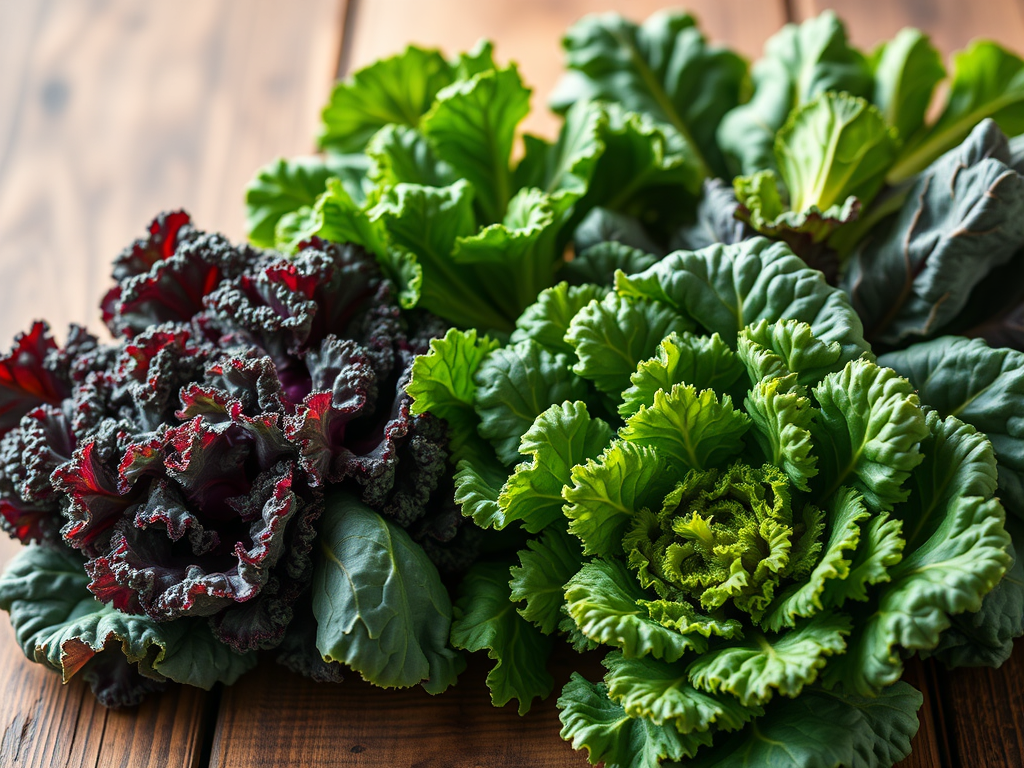
Kale is a member of the cruciferous vegetable family (think broccoli, cabbage, and cauliflower), and it comes in a few common varieties:
Curly kale – the one you see most often

Lacinato (Tuscan/dinosaur kale) – darker, flatter, slightly sweeter

Red Russian kale – tender, with a milder flavour

It’s affordable, easy to store, and—crucially for Plan4One readers—keeps well in the fridge, meaning less waste and more flexibility across meals.
🥗 1. Packed With Nutrients (Without the Calories)
Kale is one of the most nutrient-dense foods you can eat.
A single serving contains:
- Vitamins A, C, and K
- B vitamins
- Calcium
- Potassium
- Magnesium
All for very few calories. That makes it perfect if you’re trying to eat well without overthinking portions or tracking every bite.
👉 Plan4One tip: Add a handful to whatever you’re already cooking—soups, eggs, pasta—and call it a win.
💪 2. Supports Immune Health

Kale is loaded with vitamin C, a key player in supporting your immune system—especially during those “why is everyone coughing on public transport?” months.
For solo eaters, staying well matters. There’s no one else around to cook you soup when you’re sick… so prevention is the name of the game.
❤️ 3. Promotes Heart Health
Kale contains:
- Fibre (helps manage cholesterol)
- Potassium (supports blood pressure)
- Antioxidants (reduce inflammation)
Regularly including leafy greens like kale can support long-term cardiovascular health without requiring a complete diet overhaul.
👁️ 4. Good for Eye Health
Kale is rich in lutein and zeaxanthin, antioxidants linked to protecting your eyes from age-related damage.
If your daily routine involves screens (so… all of us), this is a quiet but important benefit.
🦴 5. Strengthens Bones
Kale is surprisingly high in calcium and vitamin K, both essential for bone health.
And unlike dairy, it’s:
- Plant-based
- Easy to incorporate into multiple meals
- Budget-friendly
🔥 6. Helps Reduce Inflammation
Chronic inflammation is linked to a range of health issues, from fatigue to long-term disease.
Kale contains:
- Polyphenols
- Vitamin C
- Beta-carotene
These compounds help combat oxidative stress and inflammation—basically giving your body a bit of backup.
⚖️ 7. Supports Healthy Weight Management
Kale is:
- Low in calories
- High in fibre
- Filling without being heavy
This combination helps you stay satisfied longer—ideal when you’re cooking for one and trying not to snack your way through the evening.
👉 Reality check: It’s not about dieting—it’s about feeling full and energised without overdoing it.
🌿 8. Supports Digestive Health

Thanks to its fibre content, kale supports healthy digestion and gut function.
A small daily serving can help:
- Keep things regular
- Support gut bacteria
- Improve overall digestive comfort
🧠 9. May Support Brain Health
Kale contains nutrients linked to cognitive health, including:
- Vitamin K
- Antioxidants
- Folate
While it’s not going to turn you into a genius overnight, a diet rich in leafy greens has been associated with better brain health over time.
✨ 10. Supports Healthy Skin

Kale’s combination of:
- Vitamin C (collagen production)
- Beta-carotene (skin protection)
- Antioxidants
…makes it a solid addition to a skin-friendly diet.
🥄 How to Actually Eat Kale (Without Suffering)
Let’s be honest—kale has a reputation. And not always a flattering one.
Here’s how to make it work:
Easy, Solo-Friendly Ideas
- Toss into scrambled eggs or omelettes
- Stir through soups or stews
- Sauté with garlic and olive oil
- Add to pasta in the last few minutes of cooking
- Make a quick single-serve kale salad (massage it with lemon juice to soften it)
👉 Plan4One hack: Buy one bunch, use it across 3–4 meals, and avoid that “sad wilted greens in the fridge” situation.
🧊 Storage Tips (Because Food Waste Is the Enemy)
- Keep kale in the crisper drawer, wrapped loosely in paper towel
- Wash only what you need
- Use within 4–5 days for best quality
If it starts looking a bit tired? Cook it. Kale is far more forgiving once heated.
Final Thoughts
Kale isn’t a miracle food—but it is one of the easiest ways to boost your nutrition without adding complexity to your life.
And for those of us cooking for one, that’s the sweet spot:
- Simple
- Affordable
- Versatile
- Actually good for you
No extremes. No pressure. Just small, smart upgrades to your everyday meals.
👉 Your Turn
Have you found a way to make kale actually enjoyable? Or are you still side-eyeing it in the produce aisle?
Let me know in the comments—and if you want more no-fuss, single-serve recipes and nutrition tips, subscribe to Plan4One.com and join the growing community of solo eaters doing healthy their way.

Leave a Reply