Right! — quick truth: I’m not a billionaire (yet), but I love wine, I live in Melbourne, and I think anyone can collect a small, useful, enjoyable wine cellar without needing a vault or a somm degree. This is a friendly, practical guide for solo folk who want to start collecting — for drinking later, for special dinners, or maybe for a cheeky bit of investment down the track.
Why collect wine? (Short answer)
Because wine gives you future-you presents: better flavours, nostalgia, stories, and — if you’re smart — some bottles that gain value. Also, having a handful of well-chosen bottles on hand makes you look like you’ve got your life together. (Fake it till you age the 2016 Shiraz, I say.)
Five things to decide first
- Purpose — drink in 1–5 years vs cellar 10+ years vs small investment.
- Budget — set a per-bottle and monthly buy budget. Start small: 6–18 bottles is a great committment for beginners.
- Space & storage — do you have a cool cupboard, a wine fridge, or no dedicated space? (We’ll cover this.)
- Record-keeping — a simple spreadsheet or an app will save you chaos.
- Buy the wine you like — collect your palate, not someone else’s flex.
The starter collection strategy (my recommendation)
Aim for variety and at least one bottle from each “slot” so you have something for food, guests, casual sipping, and celebration:
- 3–6 sparkling (range: everyday → premium)
- 6 whites (mix of fresh and age-worthy)
- 6 rosés / light reds (for early drinking)
- 8–12 red bottles (including at least one age-worthy Shiraz, Cab or Pinot)
- 1–3 dessert or fortified bottles (optional, very collectible)
Keep multiples: for wines you plan to cellar, buy 3–6 bottles of the same label (one to try now, 2–4 to drink across the years).
Quick storage basics (so your wine doesn’t sulk)
- Temperature: Aim for about 12–14°C for long-term — but 10–16°C is fine for many.
- Humidity: ~60–70% to keep corks happy.
- Light & vibration: dark and still. Sunlight = bad. Vibration = bad.
- Position: corked bottles on their side; screwcaps upright is fine.
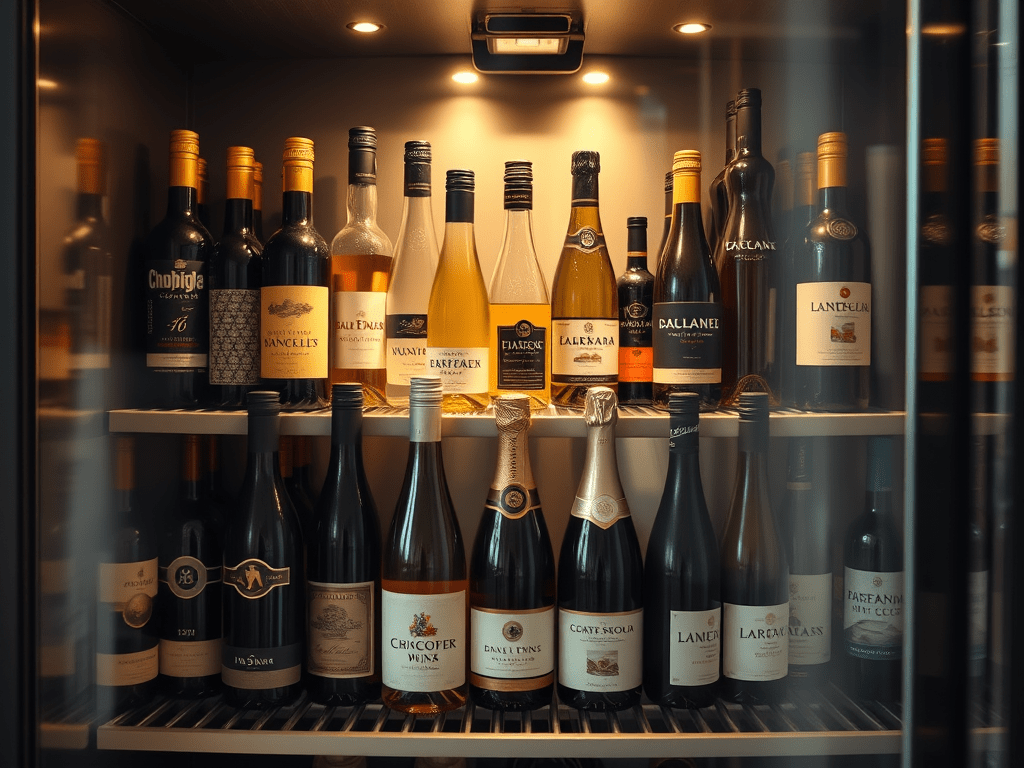
- Wine fridge vs cool cellar: get a fridge if you don’t have a cool, stable cupboard. Small is ok — better than nothing.
Record keeping & labels
Use a simple spreadsheet: producer, vintage, purchase date, price, location, drink-from / drink-by window, tasting notes. Add photos if you like. Apps exist (Vivino, CellarTracker), but a spreadsheet is low friction and exportable.
Buying tips for beginners
- Buy from reputable retailers or the winery’s cellar door. Save receipts and provenance details for collectible bottles.
- Mix accessible everyday wines with one or two premium bottles each purchase.
- Look for region + vintage reputation rather than hype. For example — Marlborough is famous for NZ Sauvignon Blanc; Central Otago for NZ Pinot Noir; Margaret River and Coonawarra are key Aussie regions for ageing Cabernets; McLaren Vale and Barossa for Shiraz. (Sources: Marlborough/Sauvignon Blanc and NZ Pinot, Central Otago reports; Margaret River/Cabernet and Australian Shiraz reporting.) WinetravelerVivino+1Wine Companion
Top 5 starter wines for each main type (Australia & NZ focus)
Below are practical, starter-friendly bottles and producers that are great to look for if you’re building a first cellar. I’ve mixed accessible everyday buys with a few winery stalwarts that are worth hunting when you spot a good price or the right vintage.
Note: vintages and release formats change year-to-year — if you spot a bottle you like, check the current vintage and tasting notes at the retailer or the winery website before buying.
Sparkling (method traditionnelle & premium Australian sparkling)
- No. 1 Family Estate Méthode Traditionnelle (Marlborough, NZ) — great Kiwi sparkling house.
- Giant Steps Classic Cuvée / Yarra Valley (Aus) — Yarra Valley makers shine with cool-climate sparkle.
- House of Arras NV / Tasmania (Aus) — Tasmania is a top Aussie sparkling region.
- Domaine Chandon or De Bortoli NV (accessible Aussie sparkling) — good everyday sparkling buys.
- Jansz Premium NV / Tasmania (Aus) — solid Tasmanian producer for ageing.
(Sparkling shows both everyday and cellaring potential — buy 1–2 bottles to enjoy and 1–2 to cellar.) Wine CompanionVivino
Chardonnay (age-worthy & regional picks)
- Leeuwin Estate Art Series Chardonnay (Margaret River, Aus) — a benchmark (if you find at a price, snap one).
- Mount Pleasant or Penfolds (selected chardonnays) (Aus) — look for regional single-vineyard releases.
- Yarra Valley producers — e.g., Oakridge or Giant Steps (Aus) — great cool-climate Chardonnays.
- Tasmanian cool-climate chardonnay (e.g., Tamar Valley or Coal River producers) (Aus) — tension and ageing.
- Cool-climate Adelaide Hills chardonnay (various producers) — bright, age-friendly.
(Chardonnay styles vary: oaky/rich vs tight/mineral. Choose what you love.) Wine CompanionThe Neighbours Cellar
Sauvignon Blanc (NZ focus + Aussie growers)
- Cloudy Bay Sauvignon Blanc (Marlborough, NZ) — the wine that put Marlborough on the map.
- Villa Maria or Nautilus Estate (Marlborough, NZ) — classic NZ expressions, often great value.
- Kim Crawford (Marlborough, NZ) — widely available, consistent style.
- Framingham or Allan Scott (Marlborough, NZ) — good small-producer options.
- Aussie cool-climate Sauvignons (Mornington Peninsula / Adelaide Hills) — for a different, riper style.
(Marlborough remains the flagship NZ region for Sauvignon Blanc — tasty, early-drinking, super collectible as a regional set.) Winetravelerwinemixture
Riesling (age-worthy whites)
- Eden Valley / Clare Valley Rieslings (e.g., Henschke, Pewsey Vale, F.E. Walker) — Australian rieslings can age beautifully.
- Tyrrell’s Vat 1 Semillon (for comparison / whites that age) — classic Aussie cellaring example.
- Porongurup / Great Southern Rieslings (WA) — underrated and age-worthy.
- Tasmanian rieslings / cool-climate producers — crisp, ageable.
- Late-harvest/ice-style (select producers) — for dessert/collectible.
(Riesling is a brilliant value cellar choice — buy a mix of dry and off-dry examples and try cellaring 5–15 years.)
Pinot Noir (NZ & cool-climate Australia)
- Felton Road (Central Otago, NZ) — benchmark Kiwi Pinot with great ageing.
- Burn Cottage / Mount Difficulty / Amisfield (Central Otago, NZ) — strong Central Otago houses.
- Yarra Valley cool-climate Pinots (e.g., Mount Mary, Yarra producers) — Aussie pinots with finesse.
- Mornington Peninsula Pinot Noir (Aus) — elegant and food-friendly.
- Central Otago mid-range producers (Mt Difficulty, Pyramid Valley) — approachable cellaring options. dish.co.nzVivino
Shiraz (Australia’s heavyweight)
- Penfolds (e.g., Bin 28 or St Henri) — and Penfolds Grange as aspirational — iconic Australian Shiraz names.
- Barossa Valley producers (e.g., Torbreck, Two Hands, Peter Lehmann) — big, age-worthy Shiraz.
- McLaren Vale Shiraz (many producers) — fruit-forward, some great cellaring options.
- Eden Valley / Clare Valley (cooler Shiraz styles) — elegant, age-worthy.
- Coonawarra / cab-shiraz blends from top houses (mixed cellaring potential).
(Shiraz is the Aussie classic — buy one big Barossa or McLaren Vale bottle to cellar long-term.) Vivino
Cabernet Sauvignon (ageing potential)
- Wynns Coonawarra Estate ‘Black Label’ (Coonawarra, Aus) — classic ageing Cab.
- Margaret River Cabernets — Leeuwin, Vasse Felix, Cullen — top Margaret River houses do great aging Cab.
- Penfolds Bin 407 (Cab style) or Bin 707 (aspirational) — structure and age.
- Yarra Valley or Coonawarra single-vineyard cabs — region matters for terroir.
- Blended Cabernets from premium houses — many value finds here. Wine Companion
Rosé & lighter reds (drink young — still worth collecting)
- Provençal-style rosés from cool-climate Aussie regions — easy and versatile.
- Grenache rosés / light GSM blends (McLaren Vale) — great summer bottles.
- Pinot-based lighter reds from Mornington / Yarra / Central Otago — food-friendly.
- Beaujolais-style lighter reds from Australian producers — everyday drinking.
- NZ rosés from Marlborough — crisp and floral.
Fortified & Dessert (optional, collectible)
- Rutherglen Muscats and Topaque (Australia) — long-lived, dessert classics.
- Penfolds RWT/rare fortified releases — if you want something different.
- Botrytis Semillon (select Hunter Clare releases) — dessert but elegant.
- Late-harvest Riesling / Hunter/Tasmanian sweet wines — cellarable.
- Vintage ports from reputable Australian producers — niche but delightful.
How many to buy and when to drink
- Starter cellar (6–18 bottles): buy 1–2 at a time, prioritise balance across styles.
- If cellaring for ageing: aim to buy sets of 3–6 of the same wine (that way you can taste at intervals).
- Drink windows: many good whites are best within 1–5 years; age-worthy whites 5–15+. Reds like Cabernet and top Shiraz can go 10–30+ years depending on the wine.
Insurance, provenance & selling (if you go there)
If you build a serious cellar, photograph labels, keep receipts, use a reputable dealer for provenance, and consider insurance. Selling? Auction houses and specialist resellers are the proper route — don’t offload “without provenance” bottles online and expect top dollar.
Final tips — practical and not preachy
- Don’t collect only trophies. Balance is satisfying.
- Join a couple of winery mailing lists (Margaret River, Coonawarra, Central Otago, Marlborough) — cellar-door releases and allocations often give good access.
- Go to tastings and take notes — learning what you like is the best ROI.
- Keep a “fun bottle” stash: not everything needs to be serious.
If you liked this guide, sign up to Plan4One’s newsletter for more down-to-earth food + drink guides for one. Share this with a mate who thinks “collecting” means grabbing the cheapest case in the supermarket. Comment below with the first bottle you’ll buy — I’ll tell you whether you’re an ambitious newbie or dangerously tasteful.
Sources I leaned on for region and producer guidance
(Useful to check current vintages and prices)
- Halliday / Wine Companion — Australian varietal winners, sparkling guides. Wine Companion+1
- Vivino lists and user top-lists for regional popularity and current market sentiment. Vivino+1
- Marlborough and NZ Sauvignon Blanc overviews (history and key producers). Winetraveler
- Central Otago / New Zealand Pinot Noir coverage (recent roundups). Vivinodish.co.nz