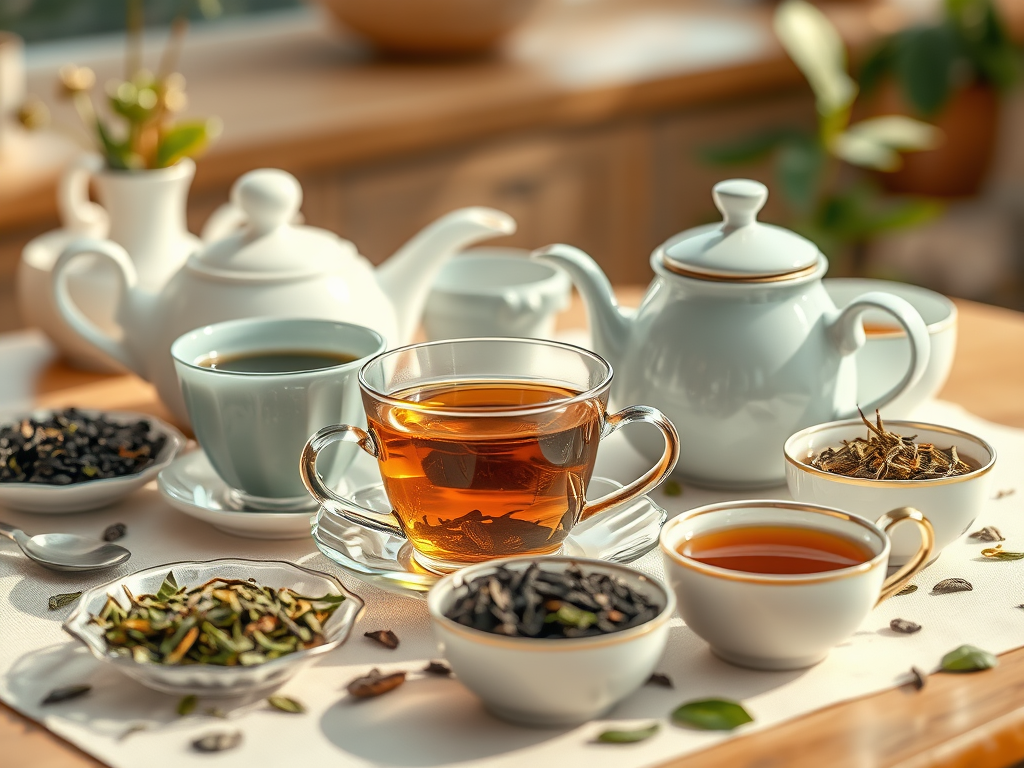
If you’re like me — juggling work, home, fitness goals, and some kind of social life — you know how important the little habits are. One tiny but powerful ritual I stumbled into recently is tea. It’s been a game-changer for my energy, focus, and even my sleep. So today, I wanted to share a little of what I’ve learned about the different types of tea, when to drink them, and a few things to watch out for.
Whether you’re a longtime tea lover or just curious, there’s definitely a brew (or a few!) out there ready to support your goals.
Green Tea: The Gentle Energizer
Benefits:
Green tea is often the star when we talk about health. It’s packed with antioxidants like catechins, which help combat inflammation and oxidative stress. Regular green tea drinkers may experience benefits like improved metabolism, sharper focus, and even better skin.
Drawbacks:
Green tea does contain caffeine, though less than coffee. If you’re sensitive to caffeine, too much can still cause jitters or disrupt your sleep. It also contains tannins, which in large amounts could upset your stomach.
Best Time to Drink:
Morning to early afternoon is ideal. It gives you a gentle lift without the crash that coffee sometimes brings. If you’re trying to maximize the fat-burning benefits (thanks to its thermogenic properties), sipping green tea about 30 minutes before a workout can give you a boost.
Black Tea: The Bold Companion
Benefits:
Need a bit more kick? Black tea is your friend. It’s higher in caffeine than other teas (but still less than coffee), and it’s known for supporting heart health, improving gut health, and even helping manage blood pressure thanks to its flavonoids.
Drawbacks:
Because of its higher caffeine content, black tea can disrupt your sleep if you drink it late in the day. Some people also experience slight staining of teeth with regular black tea drinking — nothing a little good dental hygiene can’t handle though!
Best Time to Drink:
Early mornings or early afternoons, especially when you need that second wind. It pairs wonderfully with a light breakfast or a mid-morning snack.
Oolong Tea: The Balance Between Worlds
Benefits:
Oolong tea sits between green and black tea, both in flavor and oxidation. It offers a smooth, almost floral experience. Studies suggest oolong can help regulate blood sugar, aid digestion, and support healthy weight management.
Drawbacks:
Again, caffeine is a consideration. Oolong has a moderate amount, so if you’re particularly sensitive, stick to one or two cups a day.
Best Time to Drink:
Right after a meal — oolong’s gentle digestive support makes it a great post-lunch or post-dinner option, helping your body process heavier foods more easily.
White Tea: The Quiet Supporter
Benefits:
White tea is the least processed, making it extremely delicate both in flavor and nutrient profile. It’s rich in antioxidants and may support skin health, immunity, and even bone health. It’s also naturally low in caffeine compared to other traditional teas.
Drawbacks:
Because it’s so light, white tea might not feel “strong enough” if you’re looking for an energy kick. Also, its subtle flavors can be easily overpowered if you pair it with heavy meals.
Best Time to Drink:
Midday or early evening. It’s a lovely, calming brew when you want a little something without interfering with your sleep later on.
Herbal Teas: Nature’s Medicine Cabinet
Benefits:
Technically, herbal teas aren’t “true teas” because they’re not made from the Camellia sinensis plant. But they offer amazing benefits based on the herbs used:
- Peppermint tea: Great for digestion and soothing headaches.
- Chamomile tea: Known for its calming, sleep-supportive properties.
- Ginger tea: Anti-inflammatory and a powerhouse for nausea or bloating.
Most herbal teas are naturally caffeine-free, making them a great nighttime choice.
Drawbacks:
While herbal teas are generally safe, certain herbs can interact with medications or cause allergic reactions. Always check if you’re pregnant, nursing, or on regular meds.
Best Time to Drink:
Evenings are perfect for most herbal teas, especially those like chamomile or peppermint that help you wind down.
A Few Quick Tips for Maximizing Your Tea Ritual
- Go loose leaf when you can: It’s often fresher and richer in flavor than bagged versions.
- Mind the water temperature: Boiling water can scorch delicate teas like green and white, making them bitter. Let your water cool slightly before steeping.
- Keep it simple: You don’t need fancy tea tools. A basic mug, a strainer, and good quality tea are enough to start.
What’s Next? Specialty Teas on the Horizon!
This post focused on the everyday heroes of the tea world, but there’s a whole other world of trendy teas like matcha, rooibos, pu-erh, and yerba mate that deserve their own spotlight. Keep an eye out — I’ll be diving into those in a future post!
Tea of the Week Challenge
Ready to build a little health habit into your day?
This week, I challenge you to try a cup of green tea each morning instead of your usual coffee or juice. See how your body (and mind) feel after a few days. Feel free to experiment — hot, iced, plain, or with a squeeze of lemon!
Let me know how it goes — and if you find a new favorite, I’d love to hear about it.